
What do you need to know about Receiver-in-Ear hearing aids?
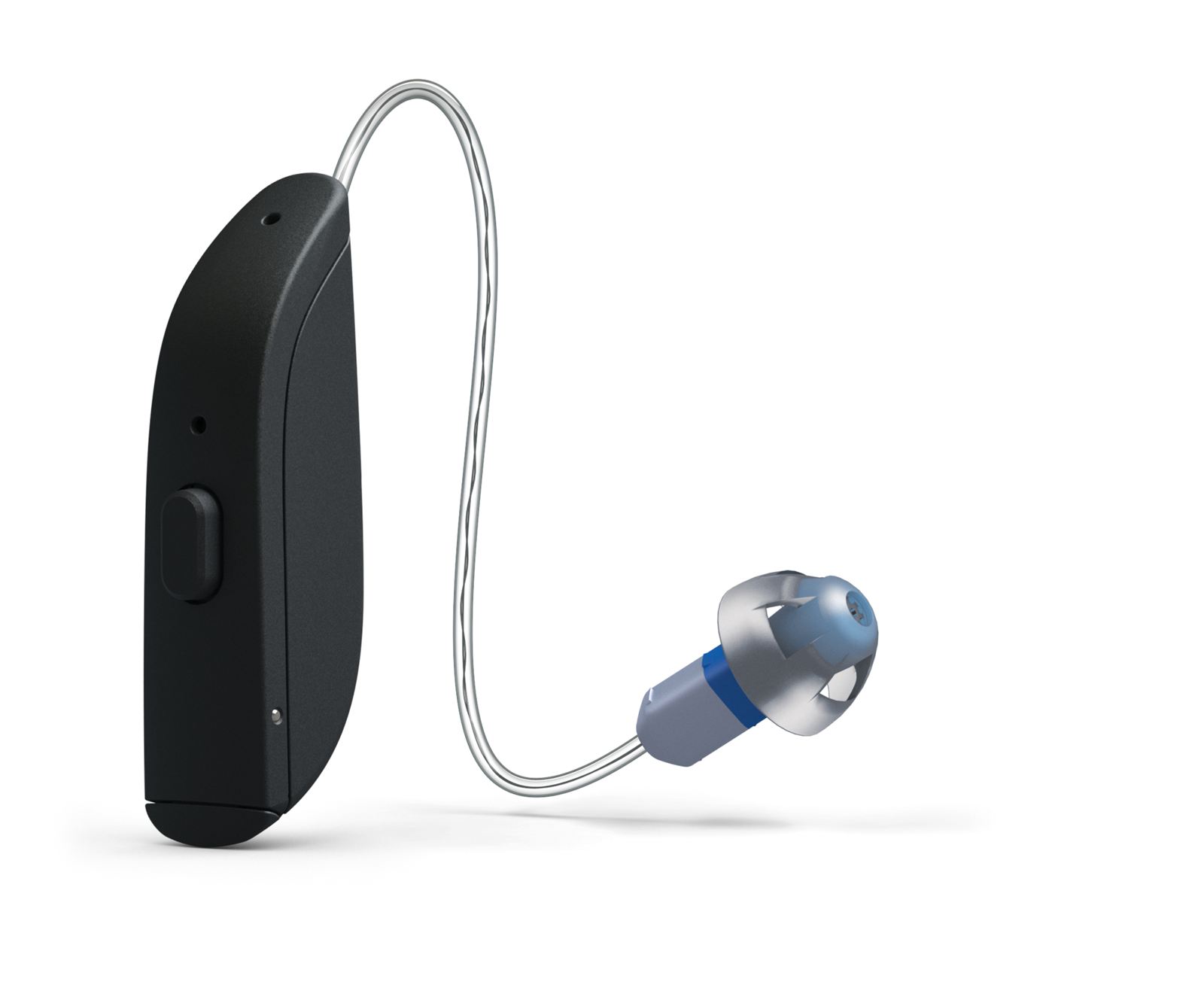
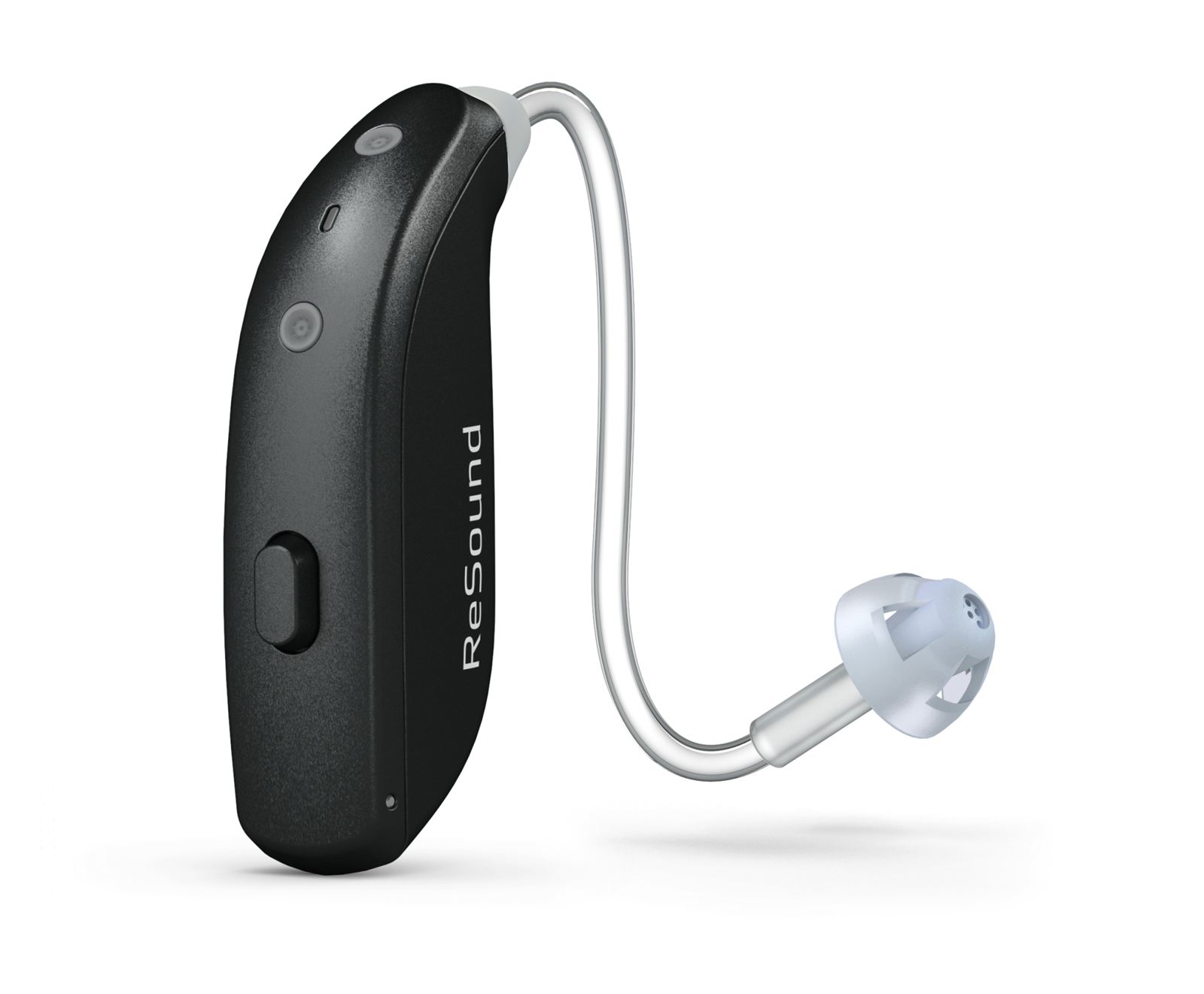
Receiver-in-ear (RIE) hearing aids are the most popular type of hearing aid. They can also be referred to as receiver-in-canal hearing aids, RIC hearing aids, or RITE hearing aids.
RIE hearing aids are small, discreet, and very versatile. These digital hearing aids - which people also refer to as 'Bluetooth hearing aids' - typically offer great connectivity and audio streaming from everyday devices, e.g., smartphones and TVs. They also work with hearing aid accessories and apps. Rechargeable hearing aids are very convenient, giving you power without battery worries, and they are available in the RIE hearing aid style.
Design-wise, RIE hearing aids sit behind the ear. Traditionally, microphones in the main body of the hearing aids send sounds down through a thin, virtually invisible tubing, curving discreetly around the back of your ears, into a receiver covered with a comfortable dome. The dome-covered receiver sits in your ear canal. That is why Receiver-in-Ear hearing aids also belong to the ‘in ear’ hearing aids category, i.e., the sound processing takes place in your ear.
Microphone & Receiver-In-Ear hearing aids (M&RIE)
The best hearing aids can sound so natural that you don’t really feel like you are wearing them at all. They do that by collecting sound with microphones, just like one your favorite singer might use.
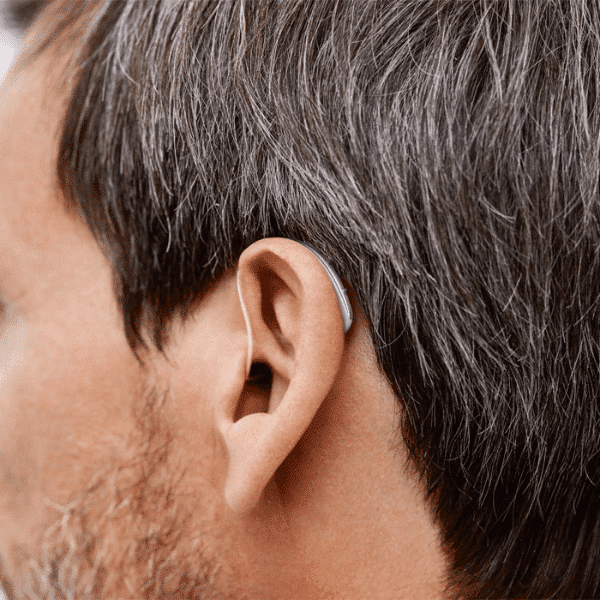
Our hearing aids with M&RIE (Microphone and Receiver-In-Ear) uniquely uses three microphones to pick up voices and the sounds of your life.
The third microphone is placed in the ear to capture sound organically, so you hear naturally!
To find out if you are a candidate for M&RIE, ask your hearing care professional today.
Comparison between RIE and BTE hearing aids
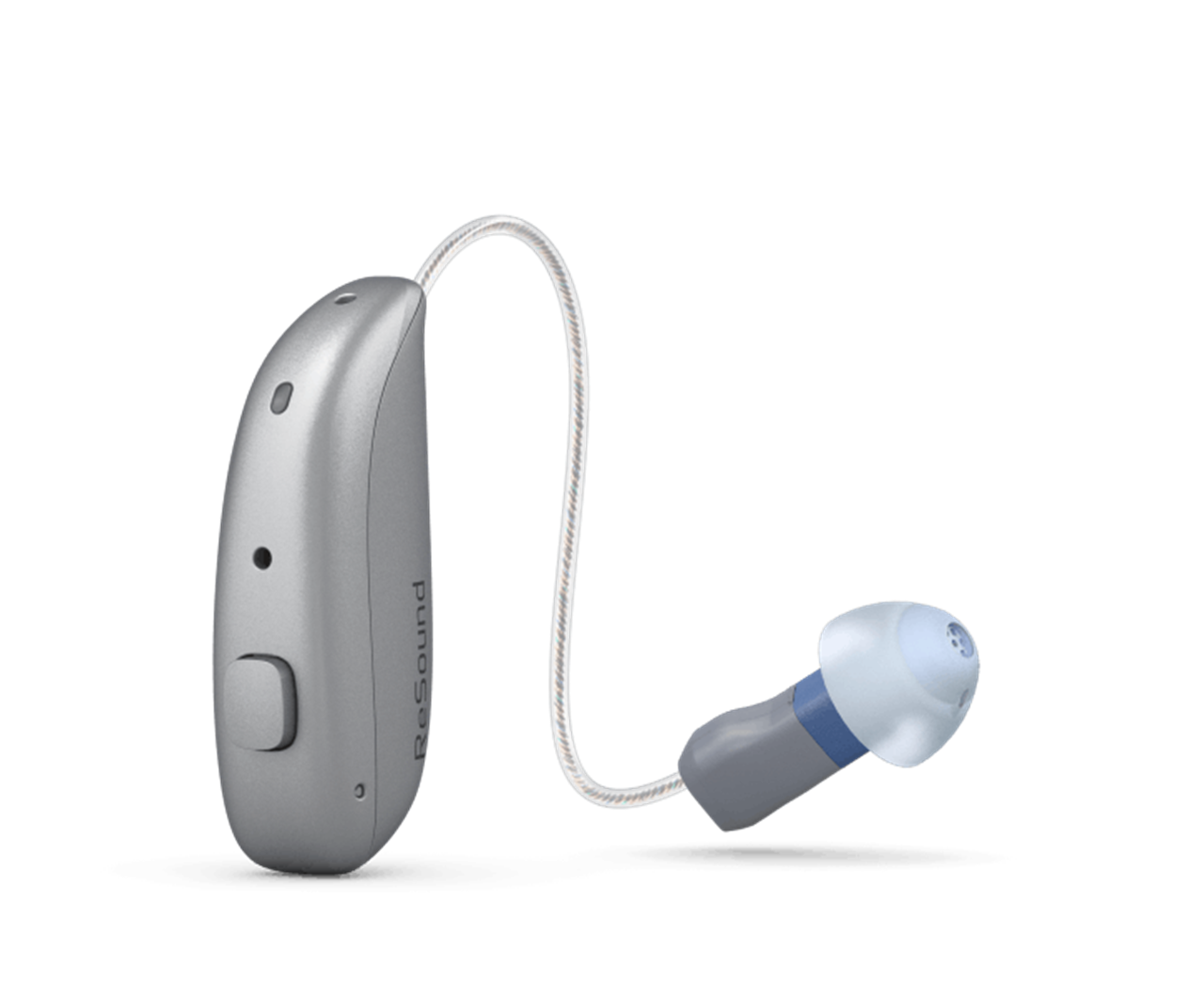
Receiver-in-Ear hearing aids (RIE hearing aids) and Behind-the-Ear hearing aids (BTE hearing aids) both sit behind the ear and have a thin, wrap-around, transparent tube running to the ear canal. These types of hearing aids also have subtle differences, which are important to consider.