
Hearing Tests
What Is a Hearing Test?
A hearing test is a quick and painless assessment conducted by a qualified audiologist to measure how well you hear sounds at different pitches and volumes. It helps identify the type and degree of hearing loss, if any, and provides the foundation for recommending the most suitable hearing solution.
Why Get a Hearing Test?
-
Detect Early Signs of Hearing Loss
-
Improve Communication and Quality of Life
-
Support Child Speech and Language Development
-
Monitor Changes in Hearing Over Time
-
Get Accurate Recommendations for Hearing Aids or Treatment
Hearing Tests:
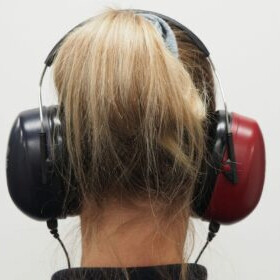
Pure Tone Audio-Gram (PTA):
A standard hearing test that checks how well you hear various tones and frequencies. Ideal for all ages, this test helps diagnose the type and level of hearing loss. A pure tone audiogram is the primary tool for identifying the type, degree, and configuration of hearing loss. However, it only measures hearing sensitivity and doesn’t provide information about how the auditory system processes real-world signals, such as speech and music.
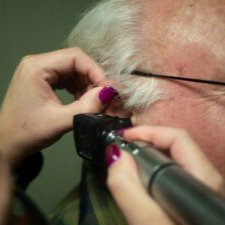
Tympanometry (Middle Ear Test):
This painless middle ear test measures eardrum movement to detect fluid, infections, or blockages. Often recommended for both children and adults. Tympanometry is a valuable tool for evaluating middle ear health and diagnosing conditions that affect the eardrum and middle ear system.
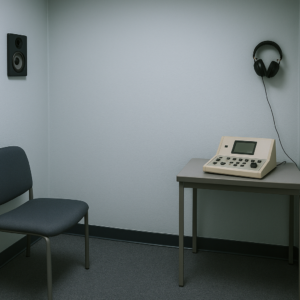
Free Field Audiometry:
Used for individuals who cannot wear headphones, this test checks hearing response in a sound field. Suitable for infants, toddlers, and people with special needs. Free Field Testing provides valuable insights into how a person hears and responds to sounds in a natural setting.
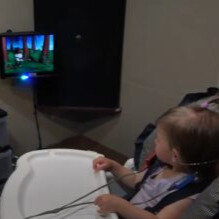
Visual Reinforcement Audiometry (VRA):
A fun, interactive hearing test for babies and toddlers that uses lights or animations as a reward. Perfect for early detection of hearing issues in children. Visual Reinforcement Audiometry is a crucial tool for assessing hearing in very young children who are unable to participate in conventional audiometric testing.
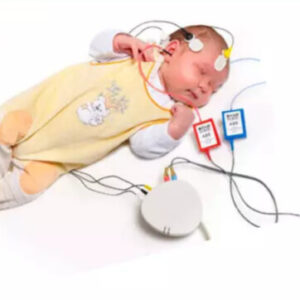
Brain Evoked Response Audiometry (BERA):
An advanced test that records brain activity in response to sound stimuli. Ideal for infants, uncooperative patients, or those with developmental challenges. Brain Evoked Response Audiometry (BERA) is a critical tool for assessing the auditory pathways and diagnosing hearing impairments, particularly in individuals who cannot undergo traditional hearing tests.
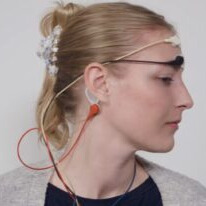
Auditory Steady-State Response (ASSR):
A precise hearing evaluation that measures responses to continuous sound. Helps estimate hearing thresholds for hearing aid fittings in all age groups. The Auditory Steady State Response (ASSR) test is a valuable tool for assessing hearing sensitivity, especially in individuals who cannot participate in traditional hearing tests.

Speech Therapy:
Customized therapy sessions to improve speech clarity, language skills, and communication. Effective for children and adults with speech or auditory processing disorders. Speech therapy is essential for addressing a wide range of communication and swallowing difficulties. It supports individuals in improving their ability to speak, understand language, and safely swallow, thereby enhancing their overall quality of life.